My Mechanical Engineering glossary
My Mechanical Engineering glossary
20 Mechanical Engineering Technoly terms
Hi, my name is Benjamin. I live in Saint-Norbert d'Arthabaska, a small village near Victoriaville, and I am studying in Mechanical Engineering Technology. In the career of a technician, you could do a lot of different jobs. You could work as a designer into an office or a machinist on the floor of an industry and many more. I wrote this useful glossary for other students in the same program as me and for workers who are new in the field. Each word is commonly used in the career of a mechanical technician. It can help to understand many situations by having a better knowledge of their technical vocabulary. Learning the meaning of these specific words would give a good advantage at your job.
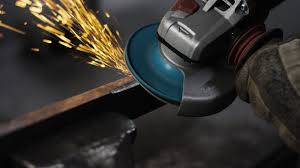
- abrasion
- noun
- The process of scuffing, scratching, wearing down, marring, or rubbing away. It can be intentionally imposed in a controlled process using an abrasive.
- Example: A grinder is an abrasive tool.
- fr: abrasion
- automation
- noun
- A wide range of technologies that reduce human intervention in processes. Human intervention is reduced by predetermining decision criteria, subprocess relationships, and related actions and embodying those predeterminations in machines.
- Example: Automation becomes more important in the process of making new cars.
- fr: automatisation

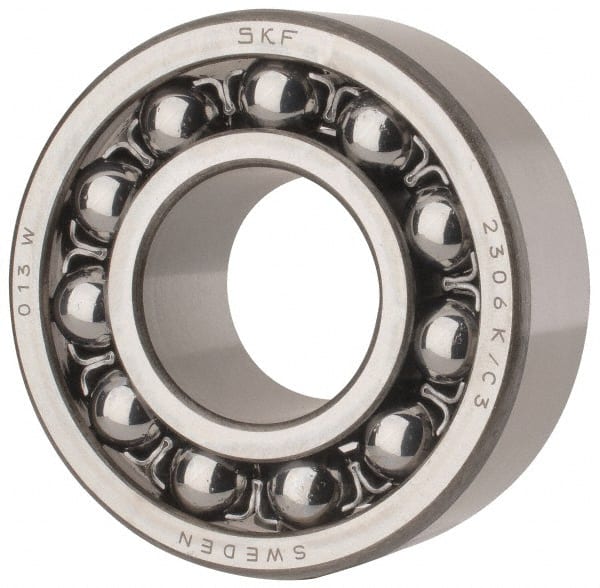
- bearing
- A machine element that constrains relative motion to only the desired motion and reduces friction between moving parts.
- Example: Bearings are used to hold a shaft on a frame and to reduce friction.
- fr: roulement à billes
- bushing
- noun
- A type of vibration isolator. It provides an interface between two parts, damping the energy transmitted through the bushing. A common application is in vehicle suspension systems, where a bushing made of rubber (or, more often, synthetic rubber or polyurethane) separates the faces of two metal objects while allowing a certain amount of movement.
- Example: Bushings are frequently made to reduce vibration on a shaft.
- fr: bague

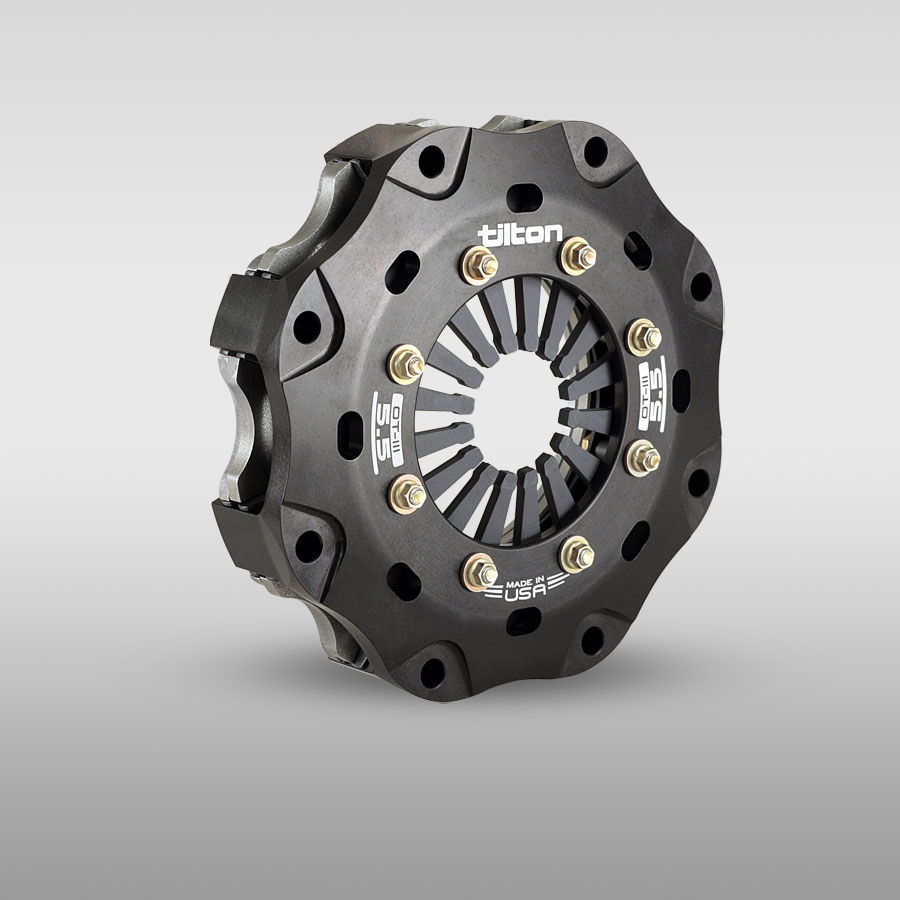
- clutch
- noun
- A mechanical device which engages and disengages power transmission especially from driving shaft to driven shaft.
- Example: A clutch is used in vehicules with a manual transmission.
- fr: embrayage
- design
- noun
- A plan or specification for the construction of an object or system or for the implementation of an activity or process, or the result of that plan or specification in the form of a prototype, product or process.
- Example: Design in a machine shops use to develop new products.
- fr: conception

- engineer
- noun
- Professional who invent, design, analyze, build and test machines, complex systems, structures, gadgets and materials to fulfill functional objectives and requirements while considering the limitations imposed by practicality, regulation, safety and cost.
- Example: The role of engineers is to solve technical, concrete and often complex problems.
- fr: ingénieur

- fitter
- noun
- Specialist who ensures the installation of an appliance (central heating, sanitary appliances, television appliances, etc.).
- fr: installateur

- friction
- noun
- The force resisting the relative motion of solid surfaces, fluid layers, and material elements sliding against each other.
- Example: Friction is created between two surfaces.
- fr: friction

- gear
- noun
- A rotating circular machine part having cut teeth or, in the case of a cogwheel or gearwheel, inserted teeth (called cogs), which mesh with another (compatible) toothed part to transmit (convert) torque and speed.
- Example: We use a clutch to change gears in our car.
- fr: roue dentée

- lubrication
- noun
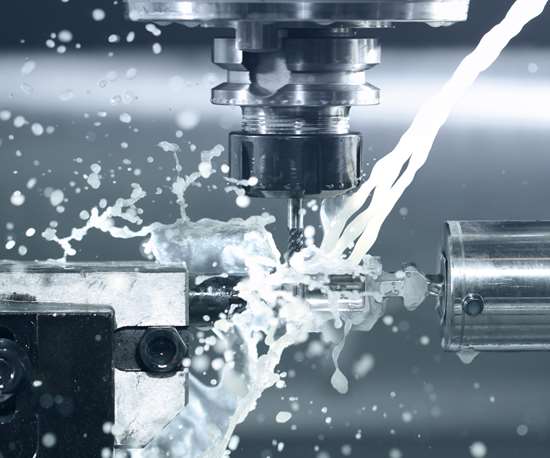
- The process or technique of using a lubricant to reduce friction and wear and tear in a contact between two surfaces.
- Example: A machinist add lubrication in order to reduce heat generated by his tool.
- fr: lubrification
- machinist
- noun
- A tradesperson or trained professional who not only operates machine tools but also has the knowledge of tooling and materials required to create set ups on machine tools such as milling machines, grinders, lathes, and drilling machines
- Example: The workstation of a machinist is in front of a milling machine.
- fr: machiniste

- maintenance
- noun
- The technical meaning of maintenance involves functional checks, servicing, repairing or replacing of necessary devices, equipment, machinery, building infrastructure, and supporting utilities in industrial, business, and residential installations.
- Example: Preventive maintenance on machines reduces the risks of injury.
- fr: maintenance
- manufacturing
- noun
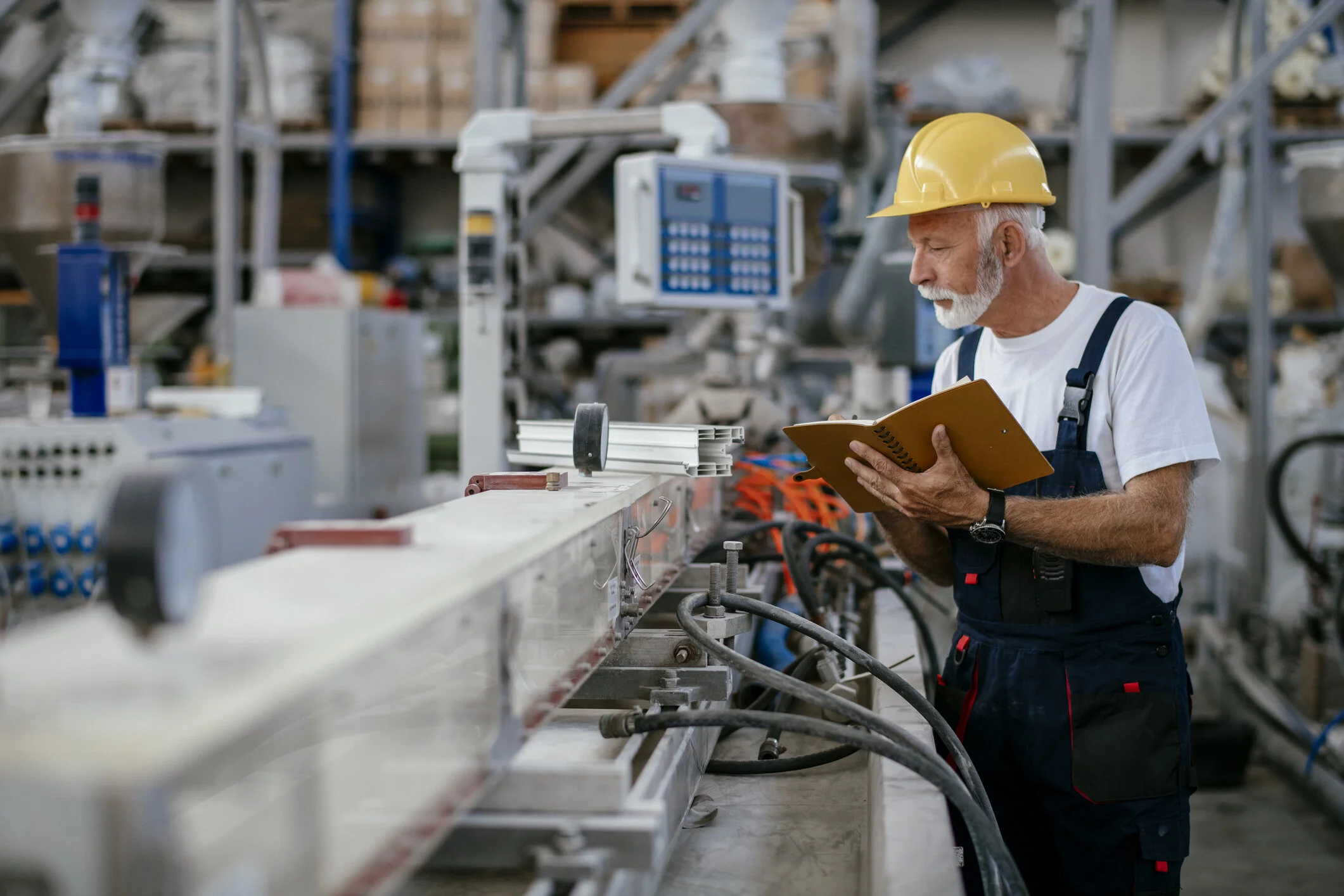
- The production of goods through the use of labor, machines, tools, and chemical or biological processing or formulation. It is the essence of secondary sector of the economy.
- Example: Robots are the news devices for manufacturing cars by thousands.
- fr: manufacturation

- mechanic
- noun
- Person whose job is to assemble, maintain or repair machines.
- Example: The person who is repairing my car is a certified mechanic.
- fr: mécanicien

- metal fatigue
- noun
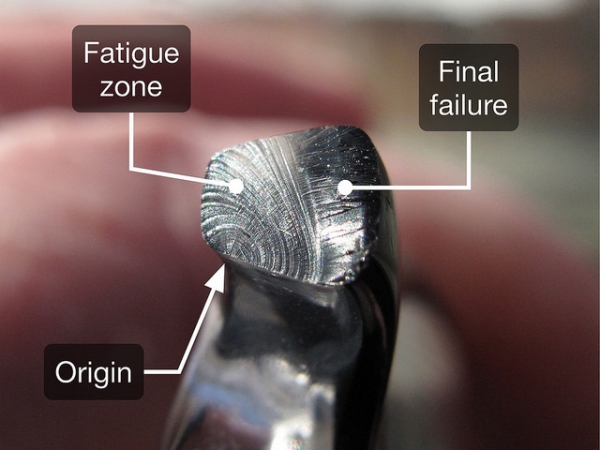
- the initiation and propagation of cracks in a material due to cyclic loading. Once a fatigue crack has initiated, it grows a small amount with each loading cycle, typically producing striations on some parts of the fracture surface.
- Example: An engineer and a technician are talking about the fatigue of a bridge.
- fr: fatigue du métal
- miling
- noun
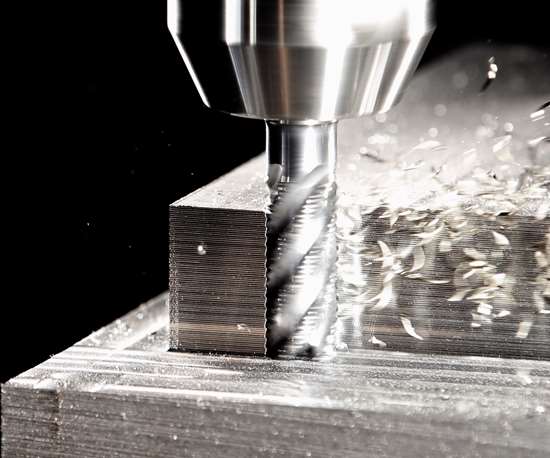
- The process of machining using rotary cutters to remove material by advancing a cutter into a workpiece.
- Example: In mechanic, milling is always followed by drilling and taping.
- fr: fraisage
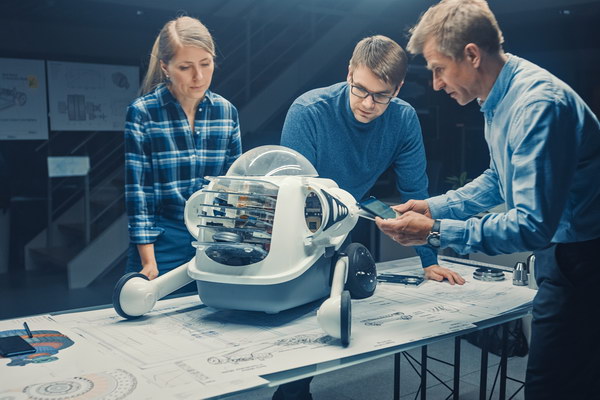
- prototype
- noun
- An early sample, model, or release of a product built to test a concept or process.
- Example: In an industry, a prototype is created to see if the product has any manufacturing defects.
- fr: prototype
- shaft
- noun
- A rotating machine element, usually circular in cross section, which is used to transmit power from one part to another, or from a machine which produces power to a machine which absorbs power.
- fr: arbre

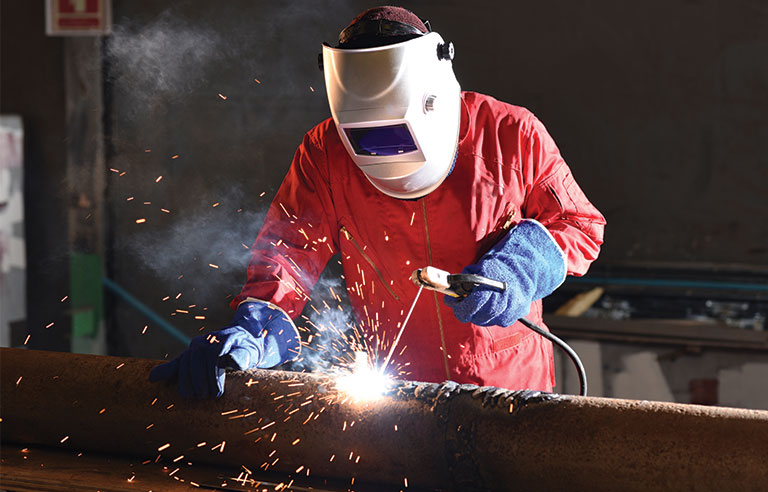
- welding
- noun
- A fabrication process that joins materials, usually metals or thermoplastics, by using high heat to melt the parts together and allowing them to cool, causing fusion. Welding is distinct from lower temperature metal-joining techniques such as brazing and soldering, which do not melt the base metal.
- Example: Welding is a process of joining two pieces of metal together.
- fr: soudage